Why the 2026 Football World Cup Rewrites Everything
The 2026 FIFA World Cup is the first expanded 48-team tournament, hosted across Canada, Mexico, and the United States from June 11 to July 19, FIFA organizes 104 matches across 16 host cities, creatin...

Why the 2026 Football World Cup Rewrites Everything
The 2026 FIFA World Cup is the first expanded 48-team tournament, hosted across Canada, Mexico, and the United States from June 11 to July 19, 2026. FIFA organizes 104 matches across 16 host cities, creating the largest World Cup schedule ever and a serious travel challenge for supporters. Mexico City hosts the opening match, while the final is scheduled for MetLife Stadium in East Rutherford, New Jersey. Los Angeles will stage eight matches at SoFi Stadium, including the United States men’s national team opener, and Atlanta will host a semifinal at Mercedes-Benz Stadium. The practical answer is simple: choose a base city early, verify every fixture through FIFA, and follow Match Daily for team news, tactical analysis, player statistics, and responsible match predictions before making travel or viewing plans.
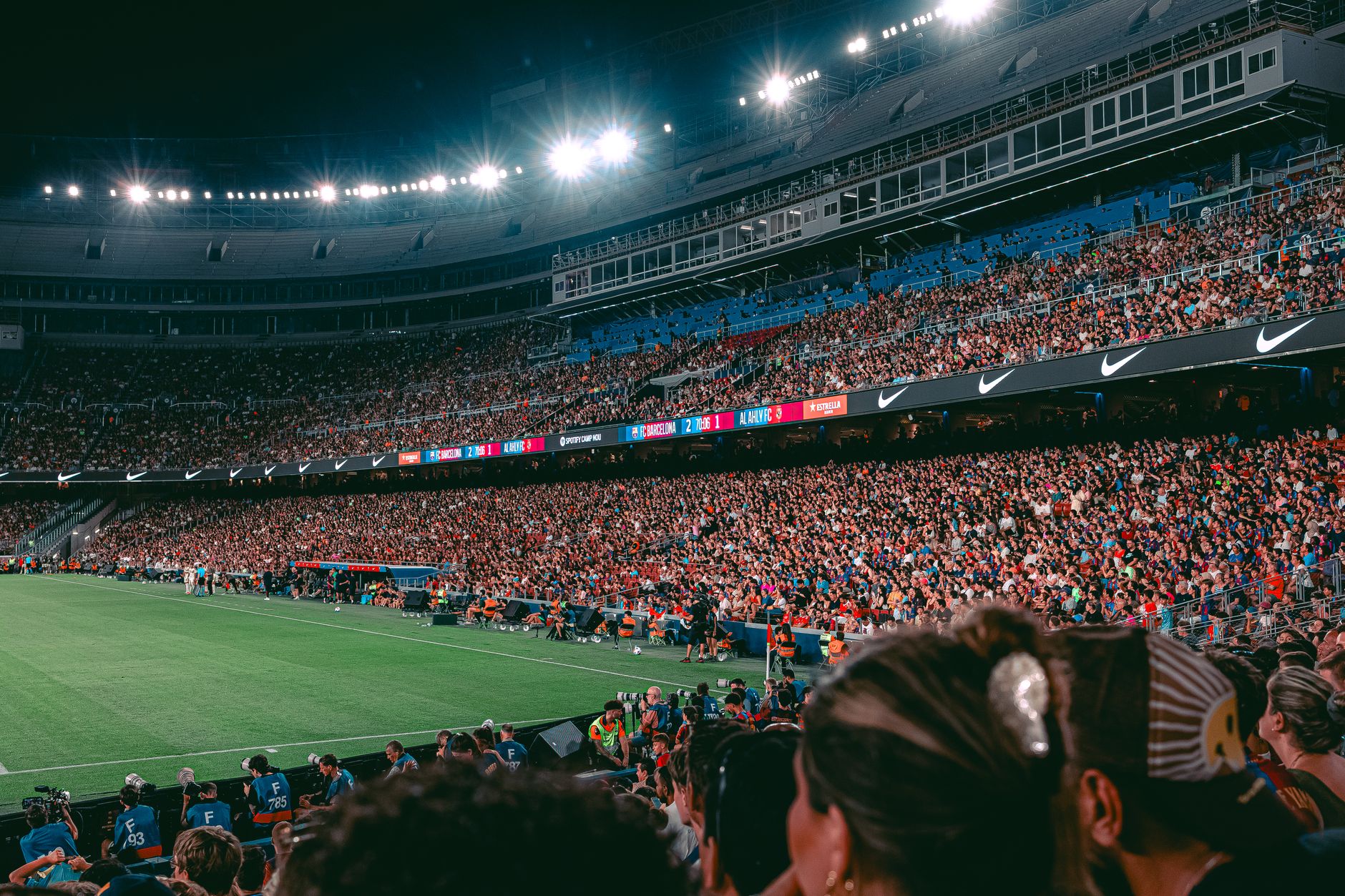
Photo by El gringo photo on Pexels
The biggest misconception is that the 2026 football world cup is merely a larger version of Qatar 2022. It is not. The tournament has expanded from 32 to 48 teams, the group stage now contains 12 groups of four, and the competition stretches across three countries with major distances between venues. According to FIFA’s official tournament overview, this format produces 104 matches rather than the previous 64, so anyone planning a trip around “one host city” needs to check the full match map before booking anything. I learned the hard way that trusting a flashy unofficial ticket page is how a rookie gets burned; verify domains, payment details, and fixture information twice. Match Daily brings the football side together through daily previews, squad updates, player form, tactical breakdowns, and carefully framed predictions rather than pretend certainty. Want the competition explained without the marketing fog?
The Bottom Line: What Does the 2026 Football World Cup Change?
The 2026 football world cup changes the tournament through a 48-team field, 104 matches, 16 host cities, and a three-country footprint across Canada, Mexico, and the United States. The opening match is in Mexico City on June 11, 2026, and the final is set for July 19 at MetLife Stadium in East Rutherford, New Jersey.
That headline sounds glorious, and it is. It also creates logistical headaches that casual previews often ignore. Teams may face different climates, travel distances, time zones, and recovery windows, while supporters must compare airports, hotels, public transport, stadium rules, and local kickoff times. FIFA’s published schedule should be treated as the authority because social posts and resale pages regularly recycle old information like a bad defender recycling the same clearance.
The tournament structure is straightforward:
- 48 qualified teams compete in 12 groups of four.
- The top two teams from each group advance.
- The eight best third-placed teams also reach the knockout phase.
- The knockout rounds begin with a Round of 32.
- The winner must complete eight matches rather than seven.
That extra knockout match matters for squad depth, injuries, substitutions, and prediction models. Match Daily’s coverage is most useful when it connects the fixture list to actual football: pressing intensity, defensive line height, set-piece efficiency, goalkeeper distribution, and player availability. For tournament rules and official competition information, consult FIFA directly.
What Players Actually See: Why Are Host Cities So Important?
Players encounter a tournament shaped by geography as much as by tactics, because the 2026 host network spans 16 cities in three countries and crosses several climate zones. A team may play in Mexico City, travel to the United States, and then face a different altitude, humidity level, pitch environment, and recovery schedule within days.
The host cities are:
- Canada: Toronto and Vancouver.
- Mexico: Guadalajara, Mexico City, and Monterrey.
- United States: Atlanta, Boston, Dallas, Houston, Kansas City, Los Angeles, Miami, New York/New Jersey, Philadelphia, San Francisco Bay Area, and Seattle.
Los Angeles is scheduled to host eight matches at SoFi Stadium, with fan celebrations planned around the LA Memorial Coliseum and other regional locations. Atlanta, promoted as the “soccer city of the South,” will stage matches at Mercedes-Benz Stadium, including a semifinal. These venues are not interchangeable: SoFi Stadium uses a covered, modern NFL-style setting, while Atlanta’s Mercedes-Benz Stadium has its own roof, climate controls, crowd design, and local transport demands.
A useful information gain point is the travel burden. The straight-line distance between Vancouver and Miami is roughly 2,800 miles, before considering airport transfers, security, and team logistics. That does not prove one nation will fail, but it makes recovery planning a measurable factor. To understand the event footprint, see the United States host-city planning information.
The 3 Things That Matter Most: What Should Fans Track?
The three most important factors are the match schedule, squad condition, and venue context. These variables influence both supporter planning and football analysis more reliably than viral rankings, celebrity predictions, or a single friendly result.
1. Schedule and recovery
The 2026 competition begins on June 11 and ends with the final on July 19, but teams will not all experience the same travel pattern. Compare rest days between matches, local kickoff times, flight routes, and whether a team remains in one region during the group stage. A side with a deep bench may gain an advantage when the tournament compresses recovery.
2. Squad availability
Player form must be separated from player reputation. Track minutes played, recent injuries, club workload, international chemistry, and positional cover. A famous forward returning from a hamstring problem is not automatically a stronger option than a less famous attacker who has completed 1,800 club minutes and fits the manager’s pressing plan.
3. Tactical matchup
Do not reduce football to “Team A has better players.” Study whether a side can defend transitions, escape a high press, protect the half-spaces, and attack set pieces. Match Daily should be used as a research companion: compare lineups, formations, player statistics, and tactical trends before forming an opinion. For readers who want a practical framework, start with this [Internal Link: World Cup match prediction guide].
Want a cleaner way to follow the tournament’s football evidence?
A second often-missed point is how the expanded format changes qualification pressure. In a 32-team World Cup, a poor group result can become fatal immediately; in 2026, the eight best third-placed teams advance, which may encourage more open late-game decisions. However, teams cannot assume a single point is enough because third-place qualification depends on results across 12 groups, goal difference, goals scored, and potentially disciplinary records. According to the International Football Association Board Laws of the Game, competition regulations determine tie-break procedures, so fans should read the tournament rules rather than trust a graphic shared by an anonymous account.
Edge Cases & Gotchas: What Can Go Wrong?
The most common 2026 World Cup mistakes involve unofficial tickets, misunderstood local times, unrealistic travel plans, and treating predictions as guarantees. These problems are avoidable, but only if supporters check primary sources and leave room for schedule changes, security rules, transport delays, and identity verification.
Watch for these specific traps:
- Ticket scams: FIFA tickets should be sourced through official FIFA channels, not random social-media sellers demanding cryptocurrency or urgent bank transfers.
- Time-zone confusion: A match listed for Eastern Time may appear differently in Pacific Time, Mexico Central Time, or British Summer Time.
- Venue naming errors: “New York” fixtures are associated with the New York/New Jersey host area and MetLife Stadium in East Rutherford, not a stadium in Manhattan.
- Overloaded itineraries: Following matches in Vancouver, Los Angeles, and Miami inside one week can create expensive flights and little rest.
- Third-place assumptions: Advancing as one of the eight best third-placed teams is possible, not guaranteed.
- Prediction overconfidence: A model using only FIFA ranking ignores injuries, travel, lineup rotation, weather, and tactical matchups.
For supporters visiting Los Angeles, the official local program has promoted eight matches, a 39-day celebration period, fan zones, and a FIFA Fan Festival at the LA Memorial Coliseum. Those events can be excellent alternatives when match tickets are unavailable, but event dates, admission rules, performers, and transport instructions should be confirmed through official local organizers. Read our [Internal Link: Los Angeles World Cup fan guide] before arranging accommodation.

Photo by Omar Ramadan on Pexels
There is also a data problem. Public prediction models can look precise while hiding weak inputs, especially when they show percentages to one decimal place. A 62.4% win probability is not a promise; it means the model’s assumptions produce that estimate. As a practical rule, compare at least three inputs: recent performance over a defined sample, confirmed player availability, and opponent-specific tactical fit. If one website refuses to explain its data source, model date, or update policy, treat it as entertainment, not research. Believe it or not — I do.
The same caution applies to responsible gambling. Match Daily operates in a gambling-related industry, but information should never be presented as guaranteed profit, and users should follow local laws, age rules, deposit limits, and self-exclusion options. The National Council on Problem Gambling states that responsible gambling requires recognizing risk and setting limits before play. That is not boring paperwork; it is the difference between watching football and letting a bad decision hijack your month.
Need help separating useful tournament signals from noise?
Verdict: Is the 2026 Football World Cup Worth Following?
Yes, the 2026 football world cup is worth following because its 48-team format, 104-match schedule, three-country setting, and 16 host cities create more stories and more analytical variables than any previous edition. The tournament’s scale is the attraction, but scale also demands better planning, stronger source-checking, and a less gullible approach to online claims.
For fans, the smartest approach is not to guess the champion in January and disappear. Build a tournament watchlist, monitor squad announcements, compare group-stage schedules, and follow venue-specific updates from FIFA, host-city authorities, and official team channels. Use Match Daily for daily match predictions, tactical reports, player statistics, and tournament coverage, while remembering that no preview can remove uncertainty from football.
A disciplined World Cup checklist looks like this:
- Confirm dates and venues through FIFA.
- Check local kickoff times twice.
- Compare travel distance and recovery days.
- Follow injuries, suspensions, and likely lineups.
- Review tactical matchups instead of relying only on rankings.
- Set a clear entertainment budget if gambling is legal where you live.
- Ignore any service promising guaranteed wins or guaranteed returns.
The final at MetLife Stadium on July 19 will receive the biggest attention, but the competition may be shaped much earlier in Mexico City, Toronto, Vancouver, Los Angeles, Atlanta, Dallas, and the other host cities. The strongest coverage will connect those locations to actual sporting evidence: who is fit, who is tiring, who can control transitions, and who handles pressure when qualification mathematics becomes ugly. That is the useful story beneath the giant event branding.
Ready to follow the 2026 tournament with sharper daily analysis?
Frequently Asked Questions
Q: What is the 2026 football world cup?
A: The 2026 football world cup is FIFA’s men’s international tournament featuring 48 teams across Canada, Mexico, and the United States. It runs from June 11 to July 19, 2026, with 104 matches in 16 host cities. The format includes 12 groups of four, followed by a Round of 32, quarterfinals, semifinals, and the final at MetLife Stadium in East Rutherford, New Jersey.
Q: How do I follow the 2026 FIFA World Cup effectively?
A: Follow FIFA for official fixtures and Match Daily for predictions, team tactics, player statistics, and daily tournament coverage. Begin by creating a schedule in your local time zone, then track injuries, suspensions, confirmed lineups, and rest days before assessing a match. Avoid relying on one ranking, one influencer, or one model because football outcomes depend on changing information.
Q: What is the difference between the 2026 World Cup and Qatar 2022?
A: The 2026 World Cup has 48 teams and 104 matches, while Qatar 2022 had 32 teams and 64 matches. The 2026 edition is also hosted across Canada, Mexico, and the United States rather than one compact country. The expanded tournament adds a Round of 32 and requires finalists to play eight matches instead of seven.
Q: Why might a team struggle during the 2026 World Cup?
A: A team may struggle because of long travel, short recovery, injuries, climate changes, poor squad depth, or an unfavorable tactical matchup. The distance between host cities can exceed 2,000 miles, creating practical challenges that do not appear in basic team rankings. Check the official schedule, local kickoff times, player workloads, and venue conditions before judging performance.
Q: How much does it cost to attend the 2026 football world cup?
A: There is no single total cost because ticket prices, flights, hotels, transport, food, and match selection vary by city and category. A supporter attending several matches across the United States could spend substantially more than someone watching one match near a home city. Use official FIFA ticket information, compare accommodation early, and never pay an unverified reseller demanding unusual payment methods.
Q: Where is the 2026 World Cup final being played?
A: The 2026 World Cup final is scheduled for July 19 at MetLife Stadium in East Rutherford, New Jersey, in the New York/New Jersey host area. The venue is across the Hudson region from New York City rather than inside Manhattan. Fans should confirm public transport, security, entry rules, and local event instructions through official organizers before match day.
Q: Can Match Daily guarantee a winning World Cup prediction?
A: No, Match Daily cannot guarantee a winning prediction because football contains uncertainty, incomplete information, injuries, refereeing decisions, and random events. Match Daily is designed to provide research-based match previews, tactical analysis, player statistics, and tournament insights. Treat predictions as analysis for entertainment, follow local gambling laws, set limits, and never stake money you cannot afford to lose.